

Learn how to make sushi rolls at home with perfectly seasoned rice, fresh fillings, and easy rolling techniques. Step-by-step guide for beginners.
How to Make Sushi Rolls: The Complete Guide to Fresh, Restaurant-Quality Sushi at Home
Introduction
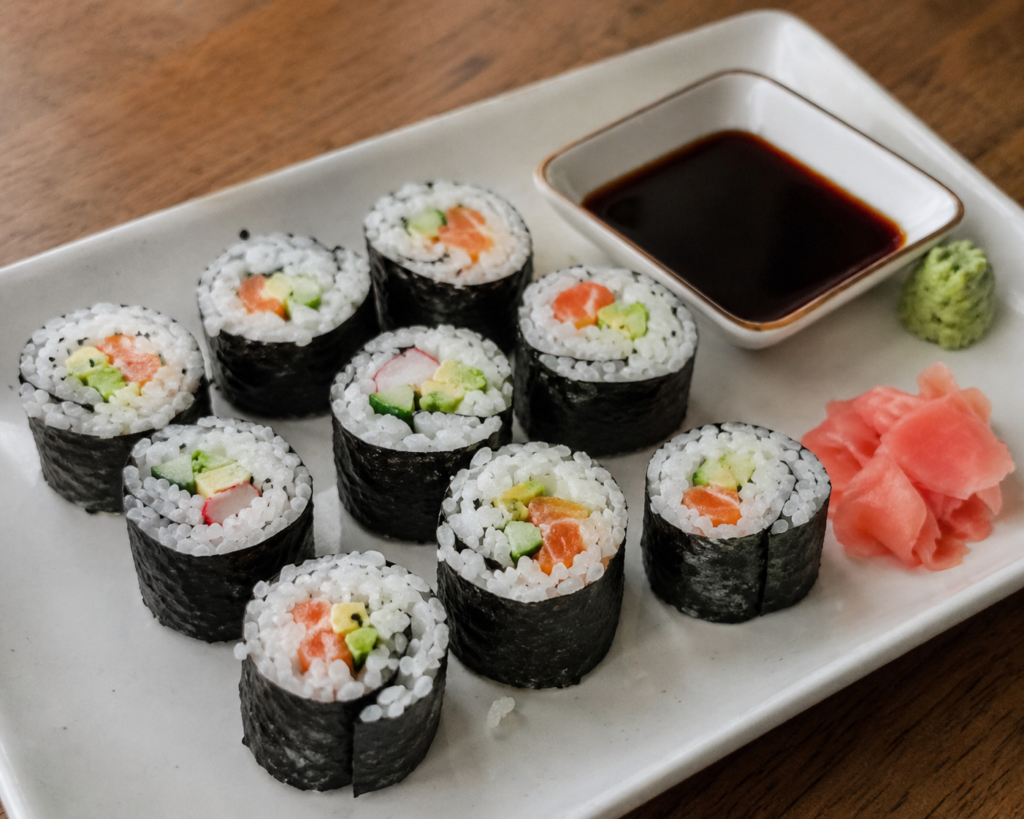
Sushi rolls are one of the most recognizable and beloved Japanese dishes in the world. With their colorful fillings, perfectly seasoned rice, and beautiful presentation, sushi offers a unique combination of freshness, flavor, and texture that few dishes can match.
If you’ve ever wondered how to make sushi rolls at home, you’re not alone. Many people assume sushi is difficult to prepare, but the truth is that making delicious homemade sushi is much easier than it looks. The most common challenges include sticky rice, overfilled rolls, uneven slicing, and rolls that fall apart during preparation. Fortunately, these problems can be avoided with a few simple techniques.
In this complete guide, you’ll learn everything you need to know about creating the perfect sushi rolls recipe. From preparing sushi rice and selecting fillings to rolling techniques and serving suggestions, we’ll cover every step in detail. You’ll also discover expert tips, popular variations, storage recommendations, and answers to frequently asked questions.
Whether you’re making sushi for a family dinner, a party, or simply to learn a new skill, this homemade sushi rolls guide will help you achieve restaurant-quality results right in your own kitchen.
The Secret to Perfect Sushi Rolls
Making restaurant-style sushi rolls comes down to mastering a few key fundamentals.
Use Proper Sushi Rice
The foundation of great sushi is properly cooked and seasoned rice.
Short-grain Japanese rice contains the right amount of starch to create the sticky texture needed for rolling.
Regular long-grain rice will not provide the same results.
Don’t Overfill the Rolls
One of the most common beginner mistakes is adding too many fillings.
Overstuffed rolls are difficult to roll and often fall apart during slicing.
Keep fillings moderate for neat, professional-looking sushi.
Use a Bamboo Rolling Mat
A bamboo sushi mat helps create tight, uniform rolls.
Without one, it can be difficult to maintain shape and consistency.
A properly rolled sushi roll should hold together without being overly compressed.
Ingredients List
Serves 4
For the Sushi Rice
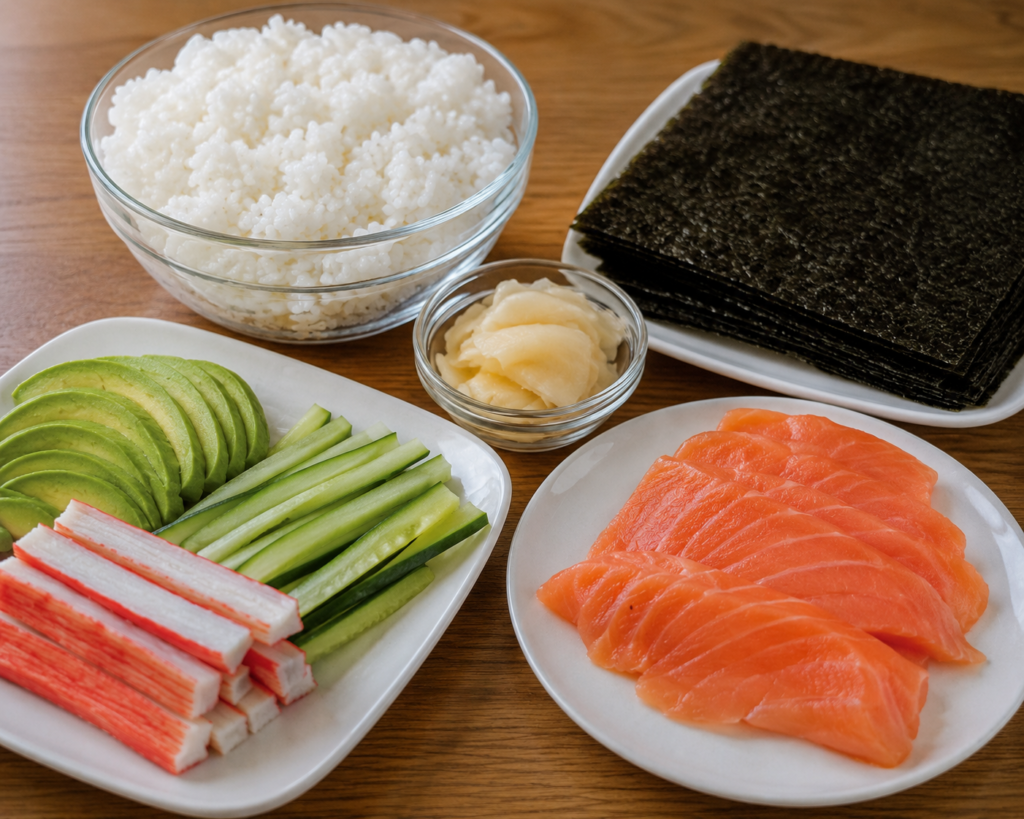
- 2 cups sushi rice
- 2½ cups water
- ¼ cup rice vinegar
- 2 tablespoons sugar
- 1 teaspoon salt
For the Sushi Rolls
- 4 nori sheets
- 1 cucumber, sliced into strips
- 1 avocado, sliced
- 8 ounces imitation crab or cooked seafood
- 4 ounces sushi-grade salmon (optional)
For Serving
- Soy sauce
- Pickled ginger
- Wasabi
Optional Fillings
- Shrimp tempura
- Cream cheese
- Carrots
- Mango
- Tuna
- Tofu
- Bell peppers
Ingredient Substitutions
- Brown sushi rice can replace white sushi rice.
- Cooked shrimp can replace raw fish.
- Tofu works well for vegetarian rolls.
- Coconut aminos can replace soy sauce.
Step-by-Step Instructions
1. Rinse the Rice (5 Minutes)
Place sushi rice in a bowl.
Rinse under cold water several times until the water runs mostly clear.
This removes excess starch and improves texture.
2. Cook the Rice (20 Minutes)
Cook rice according to package directions or in a rice cooker.
Allow it to rest for 10 minutes after cooking.
3. Season the Rice (5 Minutes)
Combine rice vinegar, sugar, and salt.
Gently fold the mixture into warm rice.
Allow the rice to cool to room temperature.
4. Prepare the Fillings (10 Minutes)
Slice cucumber, avocado, seafood, and any additional fillings into thin strips.
Arrange everything within easy reach.
5. Set Up the Rolling Station (2 Minutes)
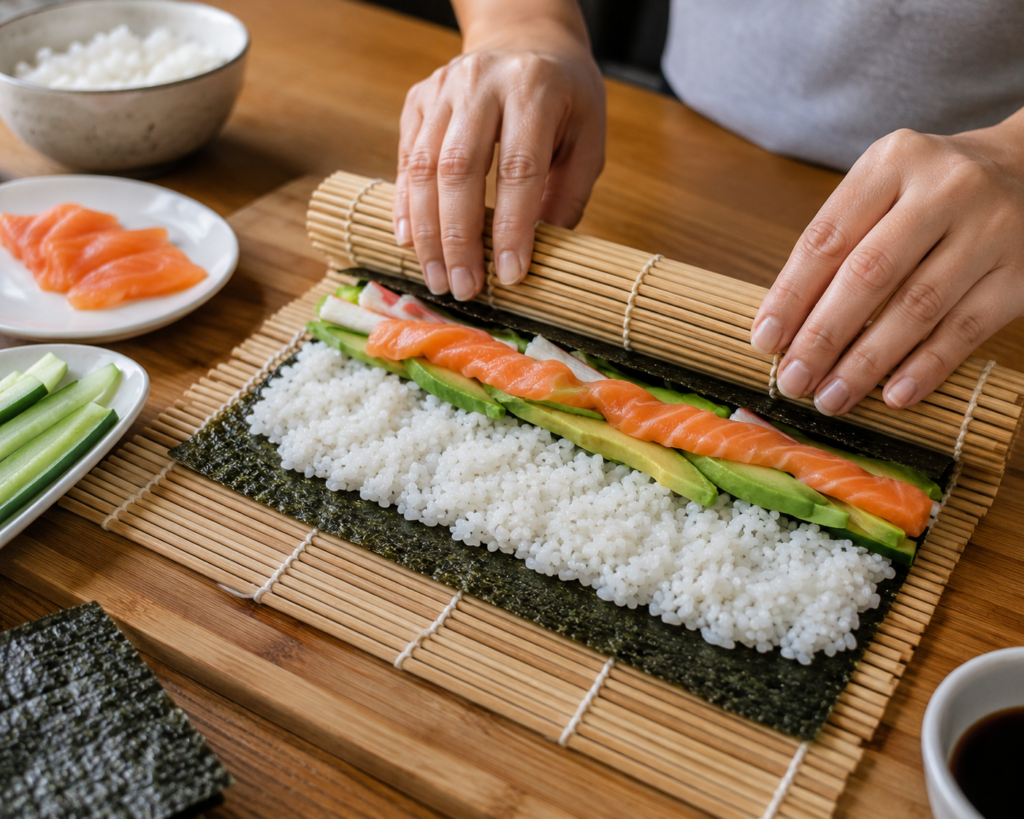
Place a bamboo sushi mat on a flat surface.
Cover it with plastic wrap for easier cleanup if desired.
Place one sheet of nori shiny-side down.
6. Add the Rice (3 Minutes)
Wet your hands with water.
Spread a thin layer of rice evenly across the nori, leaving about 1 inch uncovered at the top.
7. Add Fillings (2 Minutes)
Arrange your chosen fillings horizontally across the center of the rice.
Avoid adding too much.
8. Roll the Sushi (3 Minutes)
Lift the edge of the bamboo mat.
Roll tightly while keeping the fillings centered.
Continue rolling until sealed.
9. Slice the Rolls (3 Minutes)
Using a sharp knife, cut each roll into 6–8 pieces.
Wipe the knife clean between cuts for neat slices.
10. Serve Immediately
Arrange sushi pieces on a serving platter.
Serve with soy sauce, pickled ginger, and wasabi.
Tips for Restaurant-Style Sushi Rolls
Keep Your Hands Wet
Wet hands prevent rice from sticking while spreading it onto the nori.
A small bowl of water nearby makes the process easier.
Use a Sharp Knife
Clean cuts create attractive sushi pieces.
A dull knife can crush the rolls and ruin their appearance.
Don’t Press Too Hard
Tight rolls are important, but excessive pressure can squeeze out fillings and damage the roll.
Chill Ingredients Before Rolling
Cool ingredients help maintain structure and freshness.
This is especially important when using seafood.
Slice with Confidence
Use smooth, single slicing motions rather than sawing back and forth.
This keeps the rolls neat and professional.
Variations & Customizations
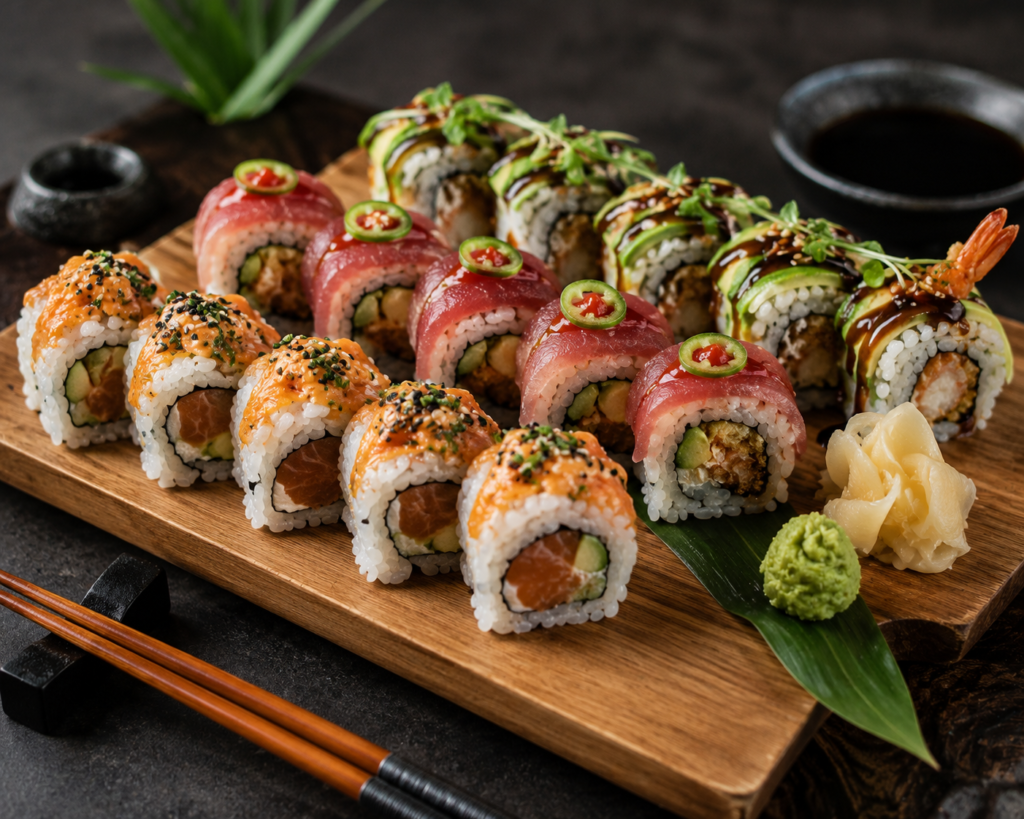
California Roll
One of the most popular beginner-friendly sushi rolls featuring imitation crab, cucumber, and avocado.
Spicy Tuna Roll
Combines sushi-grade tuna with spicy mayonnaise for bold flavor.
Shrimp Tempura Roll
Crispy shrimp tempura adds crunch and texture to every bite.
Vegetable Sushi Roll
A vegetarian option featuring cucumber, avocado, carrots, and bell peppers.
Philadelphia Roll
A creamy combination of salmon, cream cheese, and cucumber.
Internal Linking Opportunities:
- Homemade Yum Yum Sauce
- Shrimp Tempura Recipe
- Teriyaki Chicken Recipe
- Fried Rice Recipe
- Asian Cucumber Salad
Storage & Reheating
Sushi rolls are best enjoyed fresh on the day they are made.
Store leftovers in an airtight container in the refrigerator for up to 24 hours.
Avoid freezing sushi rolls, as the texture of both the rice and fillings may deteriorate significantly after thawing.
Because sushi is served cold, reheating is generally not recommended.
Frequently Asked Questions
What rice is best for sushi rolls?
Short-grain Japanese sushi rice is the best choice because it provides the sticky texture needed to hold the rolls together.
Can beginners make sushi rolls at home?
Absolutely. With a bamboo mat and proper rice preparation, beginners can successfully make delicious sushi rolls.
Why do my sushi rolls fall apart?
This usually happens when there is too much filling or the roll isn’t tight enough.
Can I use cooked fish instead of raw fish?
Yes. Cooked shrimp, crab, salmon, and other seafood work perfectly and are often easier for beginners.
How do I keep sushi rice from sticking to my hands?
Wet your hands frequently while handling the rice to prevent sticking.
Conclusion
Now that you know how to make sushi rolls, you’re ready to create fresh, beautiful sushi right at home. By using properly seasoned rice, quality ingredients, and the right rolling techniques, you’ll achieve restaurant-quality results every time.
Whether you prefer classic California rolls, spicy tuna rolls, or creative homemade combinations, making sushi is a rewarding skill that becomes easier with practice. Save this recipe, share it with fellow sushi lovers, and enjoy homemade sushi whenever the craving strikes.
Cook Time: 20 minutes
Cooling Time: 10 minutes
Total Time: 55 minutes
Servings: 4
Calories: Approximately 320 calories per serving