
Learn how to make ramen with rich broth, tender noodles, flavorful toppings, and authentic Japanese-inspired taste. Easy step-by-step recipe and expert tips.
How to Make Ramen: The Complete Guide to Rich, Flavorful Restaurant-Style Ramen at Home
Introduction
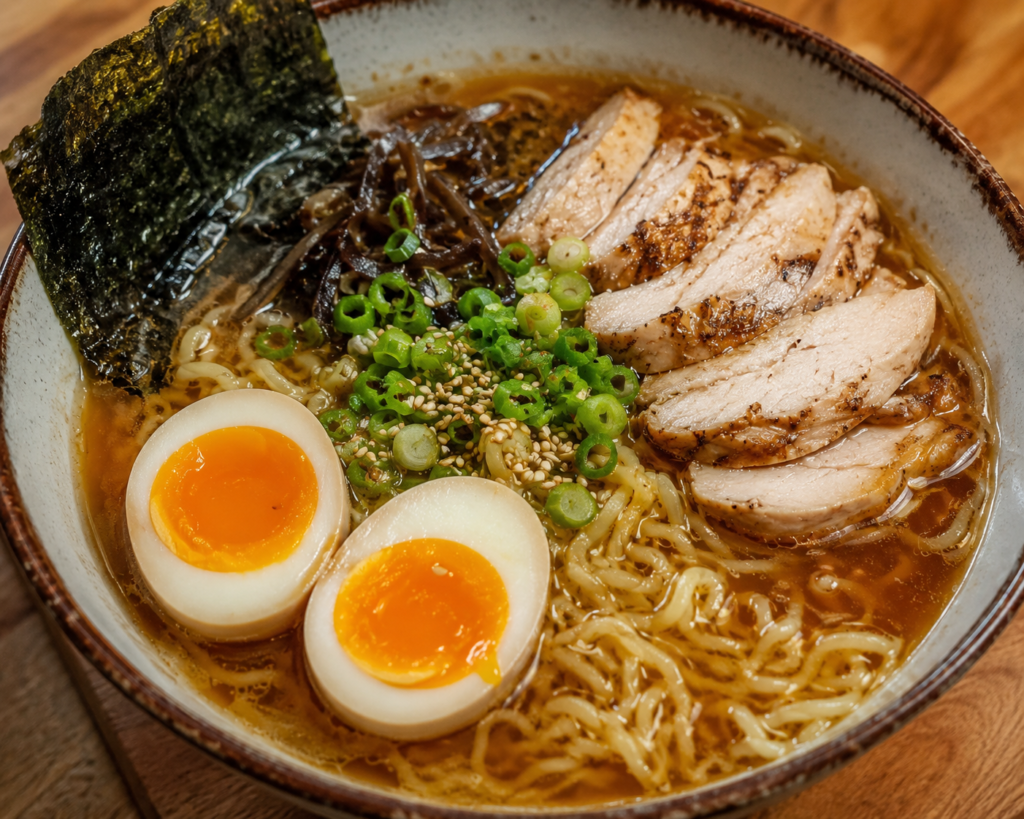
Ramen is one of the most beloved comfort foods in the world. With its rich savory broth, springy noodles, tender protein, and flavorful toppings, every bowl offers an unforgettable combination of textures and flavors. Originally from Japan, ramen has become a global favorite and continues to inspire home cooks and professional chefs alike.
If you’ve ever wondered how to make ramen that tastes as rich and satisfying as the bowls served in ramen restaurants, you’re not alone. Many home cooks struggle with bland broth, overcooked noodles, poorly seasoned toppings, or bowls that lack depth of flavor. Fortunately, these common mistakes can be avoided with a few simple techniques and quality ingredients.
In this complete guide, you’ll learn everything you need to know about creating the perfect ramen recipe. From building a flavorful broth to preparing toppings and cooking noodles properly, we’ll cover every step. You’ll also discover expert tips, popular variations, storage recommendations, and answers to frequently asked questions.
Whether you’re making a cozy weeknight dinner or impressing guests with homemade Japanese cuisine, this homemade ramen recipe delivers restaurant-quality results every time.
The Secret to Perfect Ramen
Restaurant-quality ramen comes down to mastering a few key components.
Build a Flavorful Broth
The broth is the heart of ramen.
A rich broth develops through slow simmering and careful seasoning.
Even simple homemade broths can achieve incredible depth when prepared properly.
Cook the Noodles Separately
Always cook ramen noodles separately from the broth.
This prevents the broth from becoming starchy and helps maintain the noodles’ ideal texture.
Layer the Flavors
Great ramen isn’t just about the broth.
The toppings, seasonings, and garnishes all contribute to the final flavor profile.
Every component should complement the others.
Ingredients List
Serves 4
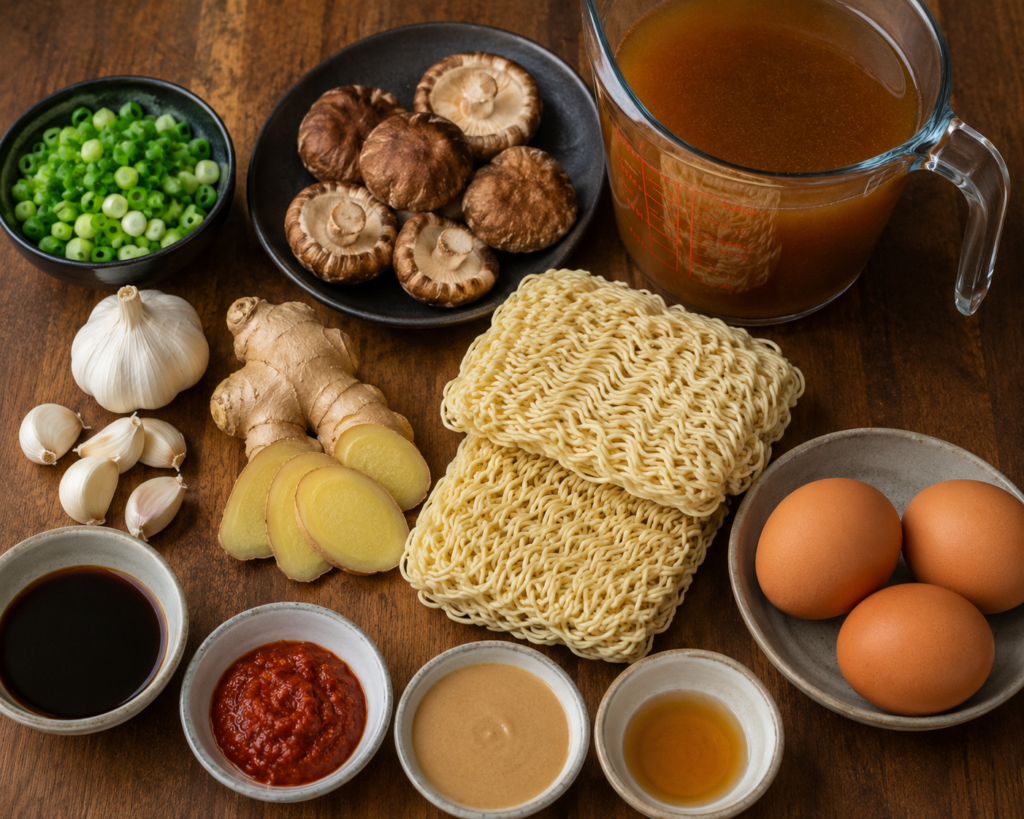
For the Broth
- 6 cups chicken broth
- 2 cups water
- 3 tablespoons soy sauce
- 1 tablespoon sesame oil
- 1 tablespoon miso paste
- 3 garlic cloves, minced
- 1 tablespoon fresh ginger, grated
For the Noodles
- 12 ounces ramen noodles
For the Toppings
- 2 soft-boiled eggs
- 1 cup sliced mushrooms
- 2 green onions, sliced
- 4 nori sheets
- 8 ounces sliced pork, chicken, or tofu
Optional Add-Ins
- Corn kernels
- Bamboo shoots
- Spinach
- Bean sprouts
- Chili oil
- Bok choy
Ingredient Substitutions
- Vegetable broth can replace chicken broth.
- Tofu can replace pork.
- Rice noodles can be used if ramen noodles are unavailable.
- Tamari can replace soy sauce.
Step-by-Step Instructions
1. Prepare the Broth Base (5 Minutes)
Heat sesame oil in a large pot over medium heat.
Add garlic and ginger.
Cook for about 1 minute until fragrant.
2. Add the Liquids (2 Minutes)
Pour in chicken broth and water.
Stir well.
Bring the mixture to a gentle simmer.
3. Season the Broth (2 Minutes)
Add soy sauce and miso paste.
Whisk until fully dissolved.
Allow the broth to simmer gently.
4. Simmer the Broth (20 Minutes)
Cook uncovered for approximately 20 minutes.
This allows the flavors to develop and blend together.
5. Prepare the Protein (10 Minutes)
Cook pork, chicken, or tofu according to your preference.
Slice into thin pieces for serving.
6. Cook the Eggs (7 Minutes)
Boil eggs for about 7 minutes.
Transfer immediately to ice water.
Peel and cut in half.
7. Cook the Noodles (3–4 Minutes)
Prepare ramen noodles according to package directions.
Drain well.
Do not overcook.
8. Assemble the Bowls (2 Minutes)
Divide noodles among serving bowls.
Ladle hot broth over the noodles.
9. Add Toppings (2 Minutes)
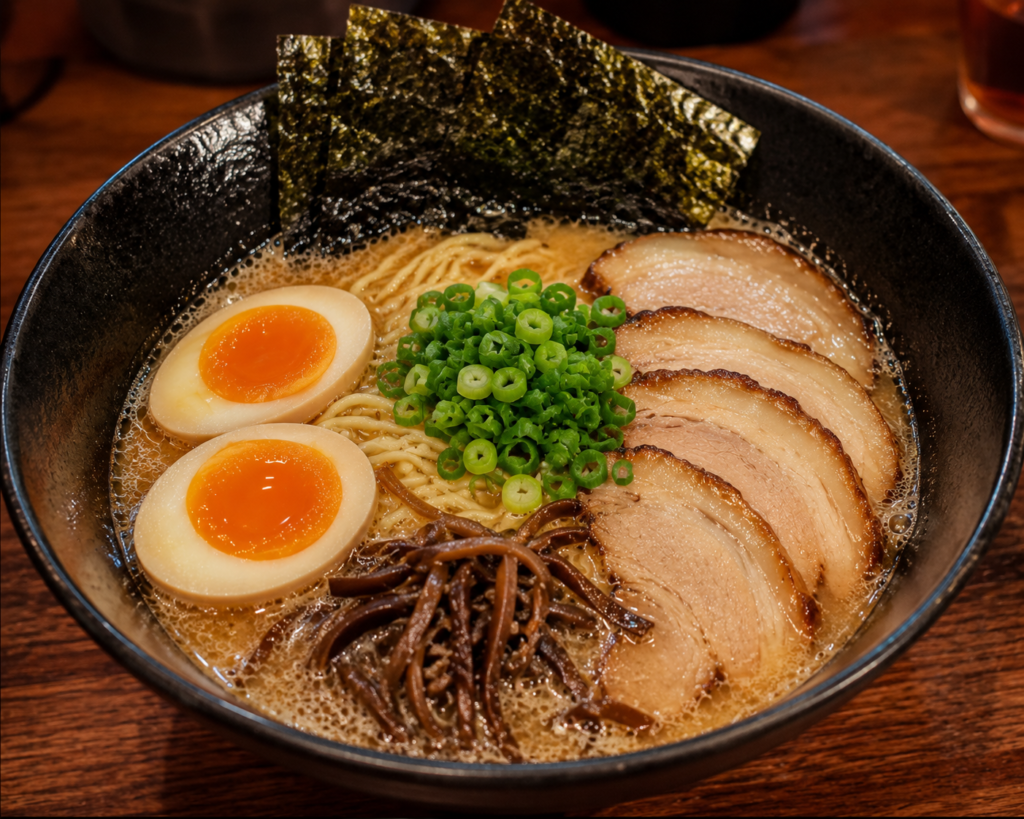
Arrange protein, eggs, mushrooms, green onions, and nori on top.
10. Serve Immediately
Serve while hot.
Allow everyone to customize with additional toppings if desired.
Tips for Restaurant-Style Ramen
Use Homemade Broth When Possible
Homemade broth develops deeper flavor than store-bought alternatives.
Even a few extra hours of simmering can make a noticeable difference.
Don’t Overcook the Noodles
Ramen noodles should remain slightly firm.
Overcooked noodles become soft and lose their pleasant texture.
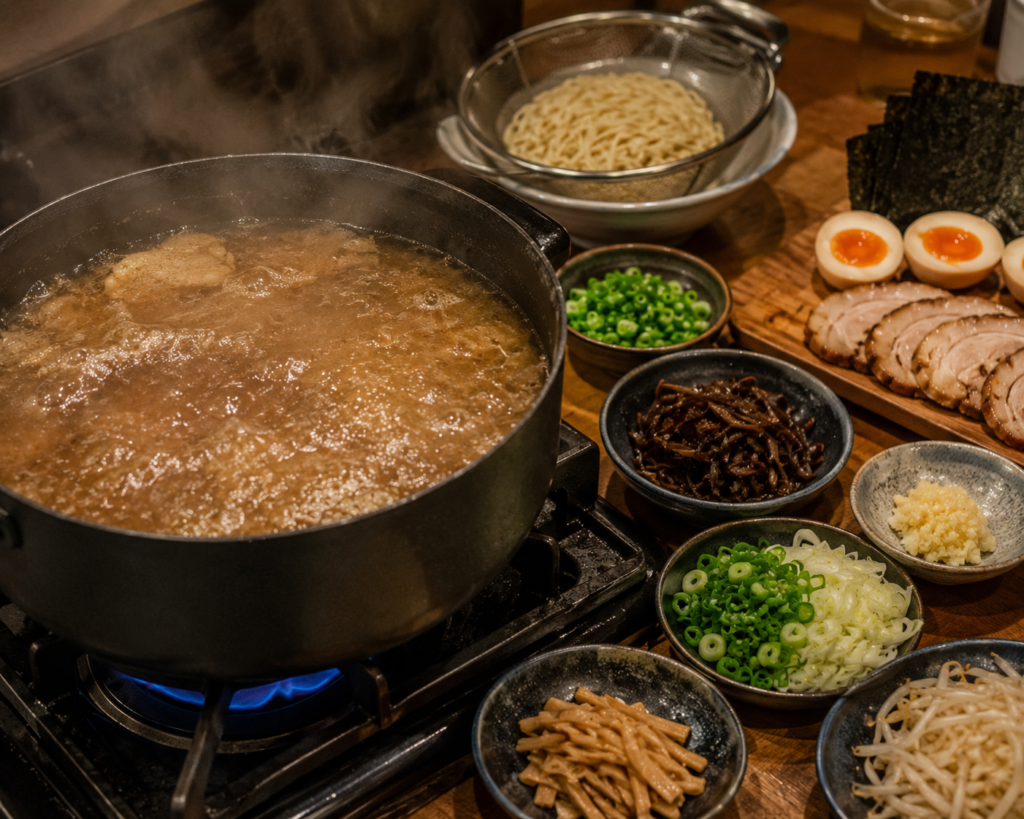
Prepare Toppings in Advance
Ramen assembly happens quickly.
Having toppings ready beforehand ensures smooth preparation.
Use Fresh Aromatics
Fresh garlic and ginger provide brighter flavor than powdered alternatives.
Serve Immediately
Ramen is best enjoyed fresh.
Waiting too long can cause the noodles to absorb too much broth.
Variations & Customizations
Chicken Ramen
A lighter version featuring tender chicken and savory broth.
Perfect for everyday meals.
Tonkotsu-Style Ramen
Features a rich pork-based broth with incredible depth and creaminess.
Miso Ramen
Uses extra miso paste for a richer, more complex flavor profile.
Vegetarian Ramen
Replace meat with tofu and use vegetable broth.
Add extra vegetables for texture and nutrition.
Spicy Ramen
Add chili oil, chili paste, or fresh chilies for extra heat.
Internal Linking Opportunities:
- Chicken Chow Mein Recipe
- Thai Red Curry
- Vegetable Stir Fry
- Homemade Dumplings
- Garlic Butter Shrimp
Storage & Reheating
Store the broth, noodles, and toppings separately in airtight containers.
The broth will keep in the refrigerator for up to 4 days.
Reheat the broth gently on the stovetop until hot.
Fresh noodles are best prepared when serving, but cooked noodles can be stored for up to 2 days.
Broth can also be frozen for up to 3 months.
Frequently Asked Questions
What noodles are best for ramen?
Traditional ramen noodles made from wheat flour and alkaline water provide the best texture and authenticity.
Can I make ramen without pork?
Absolutely. Chicken, beef, seafood, tofu, or vegetables all work well.
Why is restaurant ramen so flavorful?
Restaurants often simmer broth for many hours, creating deeper flavor and richness.
Can I use instant ramen noodles?
Yes. Discard the seasoning packet and use the noodles with homemade broth for better flavor.
What toppings are commonly used in ramen?
Popular toppings include soft-boiled eggs, sliced pork, mushrooms, green onions, nori, corn, bamboo shoots, and spinach.
Conclusion
Now that you know how to make ramen, you can create a comforting, flavorful bowl of noodle soup right in your own kitchen. By focusing on a rich broth, properly cooked noodles, and thoughtfully prepared toppings, you’ll achieve restaurant-quality results every time.
Whether you’re enjoying a cozy dinner, experimenting with Japanese cuisine, or serving family and friends, this best ramen recipe is guaranteed to satisfy. Save the recipe, share it with fellow noodle lovers, and enjoy homemade ramen whenever the craving strikes.
Recipe Card Summary
Recipe Name: Easy Homemade Ramen
Prep Time: 15 minutes
Cook Time: 30 minutes
Total Time: 45 minutes
Servings: 4
Calories: Approximately 520 calories per serving