
Learn how to make authentic Italian Pasta with perfectly cooked pasta, rich homemade tomato sauce, fresh herbs, and Parmesan cheese. Easy step-by-step recipe, expert cooking tips, delicious variations, and serving ideas.
How to Make Italian Pasta: The Complete Guide to Authentic, Flavorful, Restaurant-Style Italian Pasta at Home
Introduction
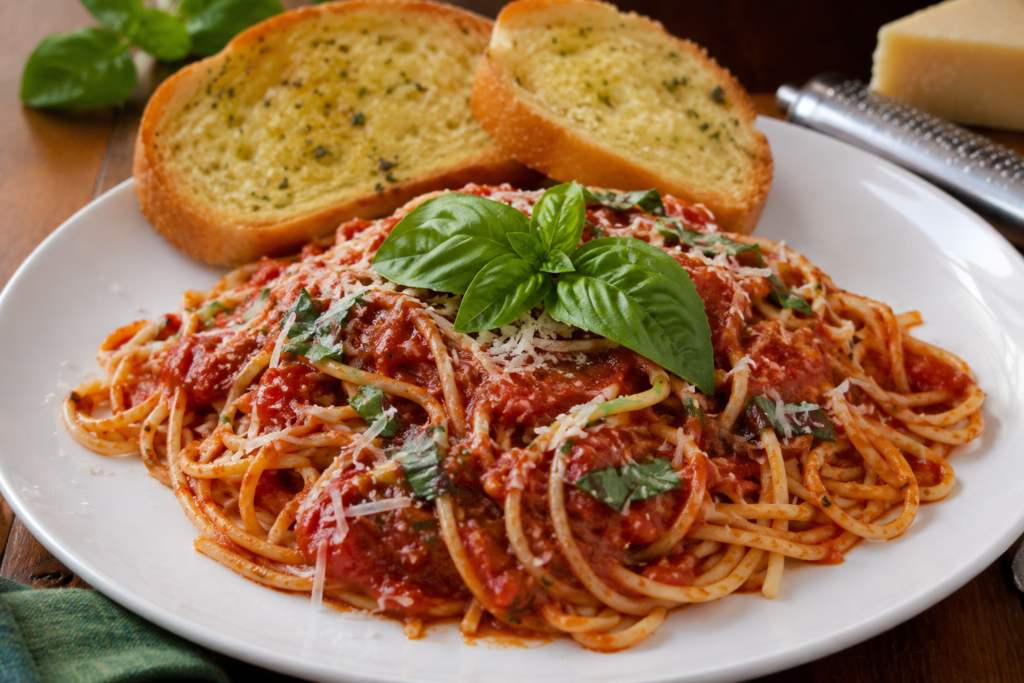
Italian Pasta is one of the world’s most iconic comfort foods, celebrated for its simple ingredients, rich flavors, and endless versatility. Whether tossed in a classic tomato sauce, creamy Alfredo, hearty Bolognese, or fragrant pesto, pasta is the heart of Italian cuisine and a favorite meal enjoyed by millions every day. Perfectly cooked pasta combined with fresh herbs, high-quality olive oil, and flavorful sauces creates a satisfying dish that’s suitable for both everyday dinners and special occasions.
If you’ve ever wondered how to make Italian Pasta that tastes just like the dishes served in authentic Italian restaurants, you’re not alone. Many home cooks struggle with overcooked pasta, bland sauces, or pasta that doesn’t properly absorb the flavors. Fortunately, these common mistakes are easy to avoid with the right ingredients and cooking techniques.
In this complete guide, you’ll learn everything you need to know about preparing the perfect Italian Pasta recipe. From choosing the best pasta and making a flavorful homemade tomato sauce to cooking the pasta al dente and combining everything perfectly, we’ll cover every step. You’ll also discover expert cooking tips, delicious variations, storage recommendations, and answers to frequently asked questions.
Whether you’re preparing a quick weeknight dinner, a romantic meal, or a family gathering, this homemade Italian Pasta delivers restaurant-quality flavor every time.
The Secret to Perfect Italian Pasta
Restaurant-quality Italian Pasta relies on a few important techniques.
Cook the Pasta Al Dente
Cook pasta until it is tender but still slightly firm when bitten.
Al dente pasta has the best texture and absorbs sauces beautifully.
Salt the Water Generously
The cooking water should taste slightly salty.
This seasons the pasta from the inside and enhances its flavor.
Finish the Pasta in the Sauce
Instead of pouring sauce over cooked pasta, toss the pasta directly in the sauce for a few minutes.
This allows the pasta to absorb the flavors and creates a silky finish.
Ingredients List
Serves 4
For the Pasta
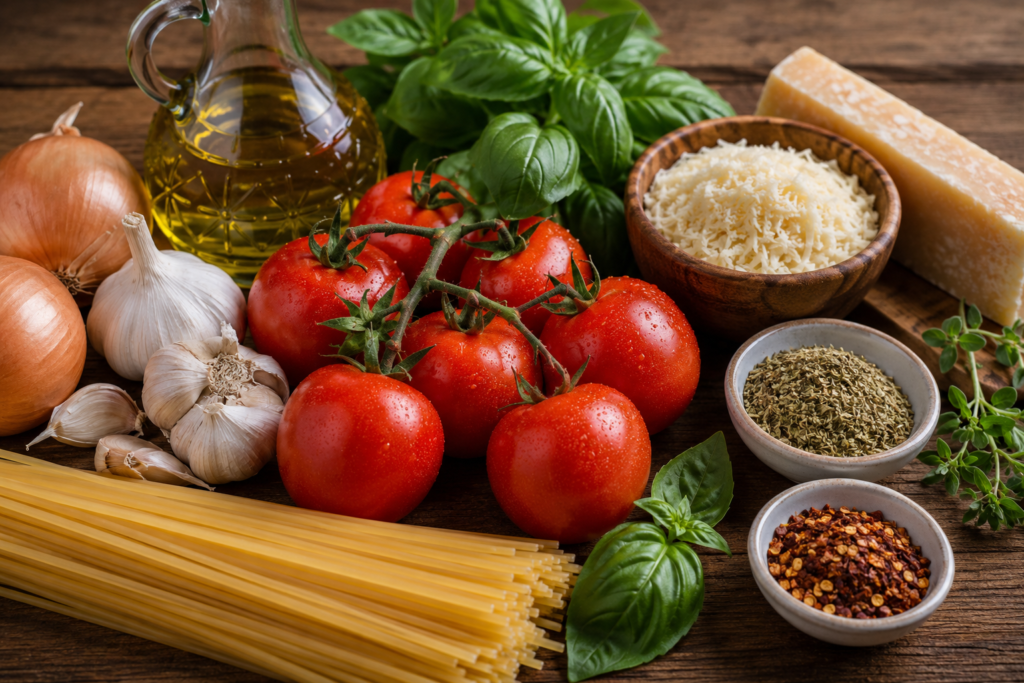
- 12 ounces (340g) spaghetti, penne, or fettuccine
- Water for boiling
- 2 tablespoons salt (for pasta water)
For the Tomato Sauce
- 2 tablespoons extra virgin olive oil
- 1 small onion, finely chopped
- 4 garlic cloves, minced
- 2 cups crushed tomatoes
- 2 tablespoons tomato paste
- 1 teaspoon dried oregano
- 1 teaspoon dried basil
- ½ teaspoon chili flakes (optional)
- Salt to taste
- Black pepper to taste
- 1 teaspoon sugar (optional)
- ¼ cup fresh basil leaves
For Garnishing
- Freshly grated Parmesan cheese
- Chopped fresh parsley
- Fresh basil leaves
- Olive oil drizzle
Optional Additions
- Grilled chicken
- Italian sausage
- Meatballs
- Mushrooms
- Spinach
- Bell peppers
- Black olives
Ingredient Substitutions
- Penne, rigatoni, linguine, or fusilli can replace spaghetti.
- Fresh tomatoes may replace canned crushed tomatoes.
- Pecorino Romano can replace Parmesan.
- Fresh oregano can replace dried oregano.
- Gluten-free pasta can be used for a gluten-free version.
Step-by-Step Instructions
1. Boil the Pasta (10–12 Minutes)
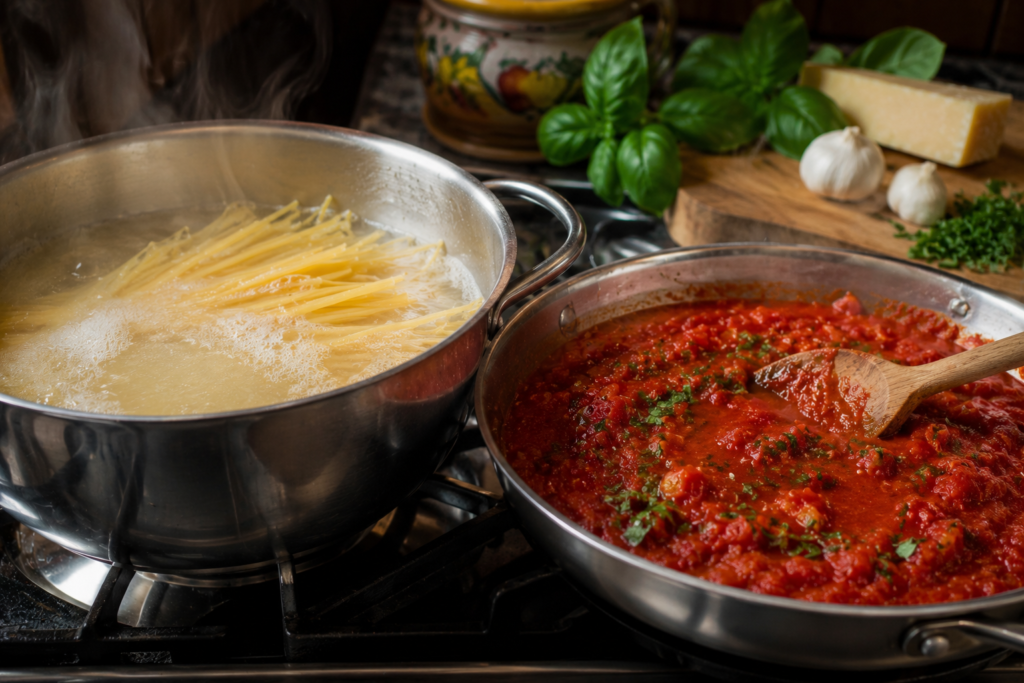
Bring a large pot of water to a rolling boil.
Add the salt.
Cook the pasta according to the package instructions until al dente.
Reserve one cup of pasta water before draining.
2. Prepare the Sauce (15 Minutes)
Heat olive oil in a large skillet over medium heat.
Cook the onions until soft.
Add the garlic and cook for another minute.
Stir in the tomato paste and cook briefly.
Add the crushed tomatoes, oregano, basil, chili flakes, salt, black pepper, and sugar.
Simmer for about 10–15 minutes.
3. Add Fresh Herbs (2 Minutes)
Stir fresh basil into the sauce during the final few minutes of cooking.
4. Combine Pasta and Sauce (3 Minutes)
Add the drained pasta directly into the sauce.
Toss well until every strand is evenly coated.
Add a little reserved pasta water if needed to loosen the sauce.
5. Finish with Cheese
Sprinkle freshly grated Parmesan cheese over the pasta.
Toss once more until the cheese melts into the sauce.
6. Garnish
Top with chopped parsley, fresh basil, and an extra drizzle of olive oil.
7. Serve Immediately
Serve hot with garlic bread, Caesar salad, or roasted vegetables.
8. Enjoy
Finish with additional Parmesan cheese and freshly cracked black pepper if desired.
Tips for Restaurant-Style Italian Pasta
Don’t Rinse the Pasta
The starch on freshly cooked pasta helps the sauce cling better.
Save Pasta Water
A splash of pasta water helps create a silky, glossy sauce.
Use Fresh Parmesan
Freshly grated Parmesan melts better and delivers superior flavor.
Cook the Sauce Slowly
Allow the tomato sauce to simmer gently to develop deeper flavor.
Serve Immediately
Italian Pasta is always best served fresh while hot.
Variations & Customizations
Spaghetti Marinara
Classic pasta with rich tomato and basil sauce.
Spaghetti Bolognese
Add seasoned ground beef and vegetables for a hearty meat sauce.
Creamy Alfredo Pasta
Replace the tomato sauce with a rich Parmesan cream sauce.
Pesto Pasta
Toss cooked pasta with homemade basil pesto and Parmesan.
Seafood Italian Pasta
Add shrimp, mussels, clams, or scallops for a Mediterranean-inspired seafood dish.
Internal Linking Opportunities:
- Garlic Bread Recipe
- Caesar Salad Recipe
- Spaghetti Bolognese Recipe
- Chicken Parmesan Recipe
- Tiramisu Recipe
Storage & Reheating
Store leftover Italian Pasta in an airtight container in the refrigerator for up to 4 days.
Reheat gently in a skillet over medium-low heat with a splash of water or reserved pasta sauce to restore moisture.
Cooked pasta can also be frozen for up to 2 months, although freshly made pasta provides the best texture.
Frequently Asked Questions
What does “al dente” mean?
Al dente means “to the tooth” in Italian, describing pasta that is tender but still slightly firm when bitten.
Should I add oil to pasta water?
No. Oil prevents the sauce from sticking to the pasta.
Why should I save pasta water?
The starch in pasta water helps bind the sauce to the pasta and creates a silky consistency.
What is the best pasta for tomato sauce?
Spaghetti, penne, rigatoni, and fusilli all pair wonderfully with tomato-based sauces.
Can I prepare Italian Pasta ahead of time?
Yes. The sauce can be made up to 3 days in advance and refrigerated. Cook the pasta fresh before serving for the best texture.
Conclusion
Now that you know how to make Italian Pasta, you can enjoy one of Italy’s most iconic dishes right in your own kitchen. By cooking the pasta al dente, preparing a rich homemade tomato sauce, and finishing everything together in the pan, you’ll achieve authentic, restaurant-quality results every time.
Whether you’re making a simple weeknight dinner, entertaining guests, or preparing a comforting family meal, this best Italian Pasta recipe is guaranteed to become a household favorite. Save this recipe, share it with fellow food lovers, and enjoy homemade Italian Pasta whenever you’re craving authentic Italian flavors.
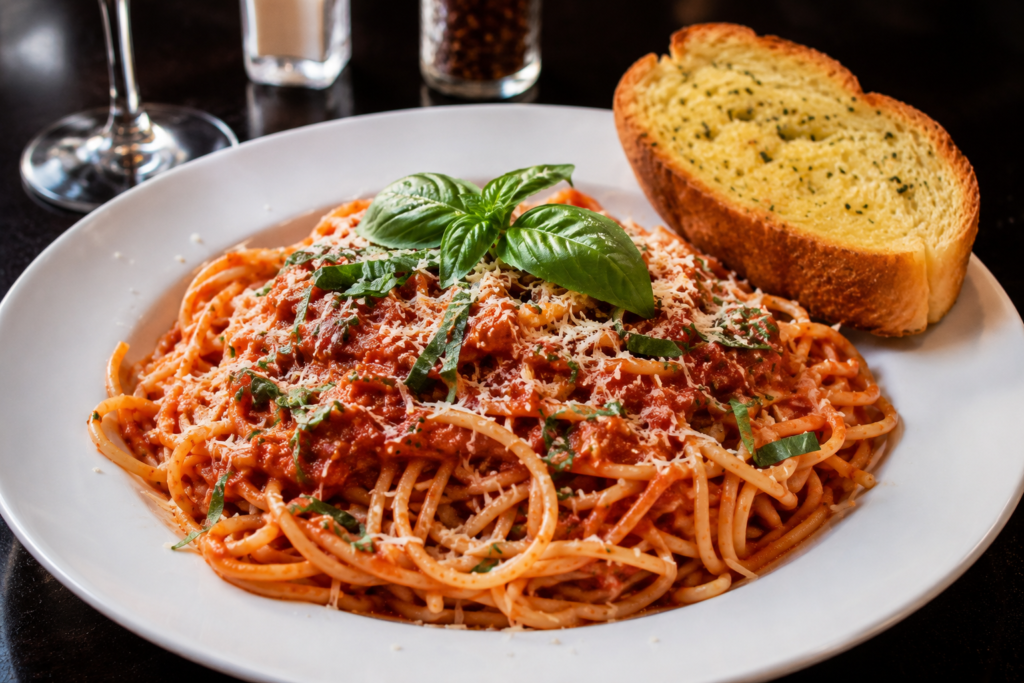
Recipe Card Summary
Recipe Name: Easy Homemade Italian Pasta
Prep Time: 15 minutes
Cook Time: 25 minutes
Total Time: 40 minutes
Servings: 4
Calories: Approximately 520 calories per serving